Showing posts with label Celebrations. Show all posts

Thursday, June 20, 2013

Midsummer Celebrations

 MidSummer

Summer Soltice

Litha

Feast of John the Baptist


The Summer Solstice is also known as: Alban Heflin, Alben Heruin, All-couples day, Feast of Epona, Feast of St. John the Baptist, Feill-Sheathain, Gathering Day, Johannistag, Litha, Midsummer, Sonnwend, Thing-Tide, Vestalia and others.


Midsummer is a night of magic and mystery as we celebrate the growth of the earth.   Around the world and across cultures people celebrate this as the first day of Summer, generally on June 21.


"Solstice" is derived from two Latin words: "sol" meaning sun, and "sistere," to cause to stand still. This is because, as the summer solstice approaches, the noonday sun rises higher and higher in the sky on each successive day. On the day of the solstice, it rises an imperceptible amount, compared to the day before. In this sense, it "stands still." 


The common Wiccan and Pagan holiday is often called Litha. 

Christian celebrations, after the conversion of Europe to Christianity, the feast day of St. John the Baptist was set as JUN-24. It "is one of the oldest feasts, if not the oldest feast, introduced into both the Greek and Latin liturgies to honour a saint. "Just as John was the forerunner to Jesus, midsummer forecasts the eventual arrival of" the winter solstice  DEC-21. 

The person of John Baptist is known for his wild spirit which personifies the energy of the Summer Solstice.

In addition the Essences also celebrated this Midsummer holiday.

Essenes: This was a Jewish religious group active in Palestine during the 1st century CE. It was one of about 24 Jewish groups in the country -- the only one that used a solar calendar. Other Jewish groups at the time included the Sadducees, Pharisees, Zealots, followers of John, and followers of Yeshua (Jesus). Archaeologists have found that the largest room of the ruins at Qumran (location of the Dead Sea Scrolls) appears to be a sun temple. The room had been considered a dining room by earlier investigators, in spite of the presence of two altars at its eastern end. At the time of the summer solstice, the rays of the setting sun shine at 286 degrees along the building's longitudinal axis, and illuminate the eastern wall. The room is oriented at exactly the same angle as the Egyptian shrines dedicated to the sun. Two ancient authorities -- the historian Josephus and the philosopher Filon of Alexandria -- had written that the Essenes were sun worshipers. Until recently, their opinion had been rejected by modern historians.   

For those who celebrate the Christian Craft it is a day of wonder and wild spirit.  Bonfire are lit, and St, John the Baptist is revered.  We celebrate the Summer and the life of John the Baptist.

In the Wheel of the Year (Pagan calendar)  Midsummer is one of the 'lesser sabats' of the 8 major sabats and often one the most favorite for the energy of this time of the year.  We are given no only what we need, but even more.  Midsummer is a holiday of excess and frolic.  


My Practice-

I celebrate by adorning my main altar with glorious array of summer flowers and fruits.  I light a 7 day candle in honor of John the Baptist and do energy work to Bless and bring abundance.

My family and I often go the mountains where we honor nature and celebrate this day with a bonfire and feasting.  The energy  of this day is great for positive and love work.  


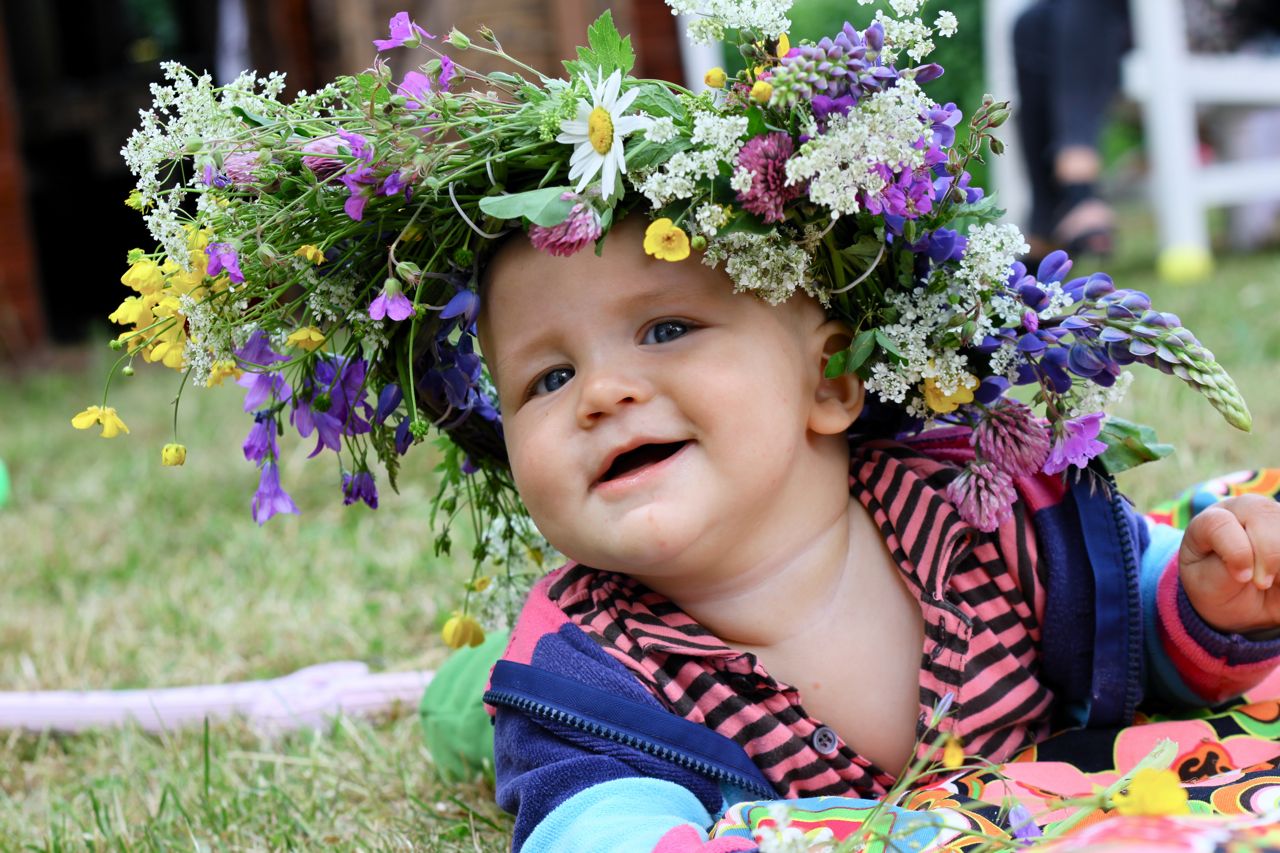
 One of my favorite parts of both Beltane (May 1) and Midsummer are the head wreaths.  These beautiful head arrangements symbolize the female maiden energy and are lovely to wear.


Correspondence:


Litha

Summer
HERBS


Lavender, Chamomile, Roses, Daisy, Lily
INCENSE

Frankincense, Lemon, Rose, Wisteria, Lavender
COLORS


Blue, Green, Yellow
DECORATIONS

Dried herbs, Potpourri, Seashells, Summer Flowers, Fruits
FOODS


Summer Fruits, Ale, Mead, Fresh Vegetables

Friday, June 18, 2010

Holidays and Sabbats

Holy Days and Sabbats

Sabbat

Herbs

Incense

Color

Decorations

Foods

Yule

Christmas
Holly, Mistletoe, Rosemary, Oak, Pine cones Bayberry, Pine, Cedar, Rosemary, Juniper Red, Green, White, Silver, Gold Yule log (oak or pine), Mistletoe, Wreaths, Strings of dried flowers and cinnamon sticks, Apples, Oranges, Yule tree Nuts, Apples, Oranges, Caraway rolls, Mulled wine, Roast turkey

Imbolc

Candlemas
Snowdrop, Bay, Heather, First Flowers of the Year Rosemary, Cinnamon, Wisteria, Frankincense, Myrrh White, Orange, Red Lamps, Besom (witch's broom), Yellow flowers All Dairy products, Curries, Onions, Chives, Garlic, Spiced wines, Seeds, Herbal teas

Spring Equinox

Easter
Honeysuckle,Iris, Peony, Violet All spring flowers Jasmine, Rose, Strawberry Green, Yellow Colored eggs, Green and yellow jellybeans, Rabbit Decorations, Spring Flowers Seeds, Leafy Green Vegetables, Spiced or Flower Cupcakes, Fruits, Hard-boiled eggs

Beltane

May Day
Honeysuckle, St. John's wort, Hawthorn, All flowers Frankincense, Lilac, Rose Green, Soft pink, blue and yellow Maypole, Strings of beads or flowers, Ribbons, Spring flowers Dairy, Oatmeal cakes, Cherries, Strawberries, Wine punches, Green Salads

Litha

Summer
Lavender, Chamomile, Roses, Daisy, Lily Frankincense, Lemon, Rose, Wisteria, Lavender Blue, Green, Yellow Dried herbs, Potpourri, Seashells, Summer Flowers, Fruits Summer Fruits, Ale, Mead, Fresh Vegetables

Lammas

Feast of the Bread
All grains, Grapes, Heather, Blackberries, Sunflowers Sandalwood, Rose, Aloes Yellow, Orange, Green, Brown Corn Dollies, Any Wheat weaving crafts, Shafts of Grain Breads, Cider, Blackberry Pies and jellies, Rice, Meadowsweet tea, Berries

Mabon

MichealsMas
Hazel, Corn, Acorns, Oak, Wheat Stalks, Cypress cones, Pine cones Myrrh, Sage, Pine Orange, Dark red, Yellow, Brown Acorns, Pomegranates, Pine Cones, Baskets of fallen leaves Breads, Corn, Cornbread, Beans, Squash, Apples, Roots (carrots, potatoes, onions), Cider

Samhain

Hallows Eve
Pumpkin, Apple, Nuts, Thistle, Chrysanthemum, Broom, Oak leaves, Sage Apple, Nutmeg, Sage, Mint Black, Orange Jack-o-lantern, Photos of deceased loved ones, Apples, Fall leaves, Autumn flowers, Squashes Apples, Corn, Nuts, Cider, Mulled wine, Pumpkin Dishes, Cranberry muffins, Herbal teas

Wednesday, April 7, 2010

Mary and the Egg


Mary and the Egg


It is a common theory that Easter is nothing more than a recycled Pagan tradition.  Although it is true that eggs and bunnies are Pagan fertility symbols used at Spring celebrations, there is a bit more to the Easter Egg as a Christian icon.  Eggs have been used at Passover feasts since Moses and it was more likely a Passover feast that Mary Magdalene immortalized the modern day Easter Egg at.  Read below to find out why Mary Magdalene is often used by esoteric Christians as Christian goddess energy form and archetype symbol.


According to the ancient tradition of the East, Mary Magdalene was a wealthy woman from whom Christ expelled seven demons. During the three years of Jesus’ ministry she helped support Him and His other disciples with her money. When almost everyone else fled, she stayed with Him at the cross. On Easter morning she was the first to bear witness to His resurrection. She is called “Equal to the Apostles.” The Eastern tradition tells us that after the Ascension she journeyed to Rome where she was admitted to the court of Tuberous Caesar because of her high social standing. After describing how poorly Pilate had administered justice at Jesus’ trial, she told Caesar that Jesus had risen from the dead. To help explain His resurrection she picked up an egg from the dinner table. Caesar responded that a human being could no more rise from the dead than the egg in her hand turn red. The egg turned red immediately, which is why red eggs have been exchanged at Easter for centuries in the Byzantine East.

Mary traveled the Mediterranean preaching the resurrection. Like Peter and Paul, she died a martyr. She bears witness to the important role women once held in the Church.

This icon was commissioned for Grace Cathedral in San Francisco to commemorate the election of Barbara Harris, the first woman bishop in the Anglican communion.

The inscription at the bottom of the icon reads: “Saint Mary Magdalene.” This title is written in Syriac, a dialect of the language spoken by Jesus. The Gospel comes to us most directly, not from Rome or Greece, but from the deserts of the Middle East. We owe our faith to Semitic Christians such as Mary Magdalene.